Core expertise
Siemens SIMATIC
Development, extensions and modernization of Siemens programs: from existing S5 / S7 systems to current controllers in TIA Portal.
- STEP 5
- STEP 7 Classic
- TIA Portal
- S5
- S7-300
- S7-400
- S7-1200
- S7-1500
- ET 200
 Wladimir PoljakovIndustrial Automation Specialist
Logic · Signals · Equipment
The PLC program is the brain of the machine.
I develop the logic that connects sensors, drives, mechanisms and HMI into one functioning system. From new software to extending and modernizing an existing installation.
Siemens is my core expertise. Other industrial controllers are considered according to the task and the available project.
01 / The task
Developing the PLC architecture, operating algorithms and interaction between units from the task specification and electrical drawings.
New functions, extra signals, operating modes and interfaces — taking the current behavior of the equipment into account.
From Siemens S5 / STEP 5 or STEP 7 Classic to a new system: reviewing functions and hardware, and reworking the program where needed.
02 / Why control logic matters
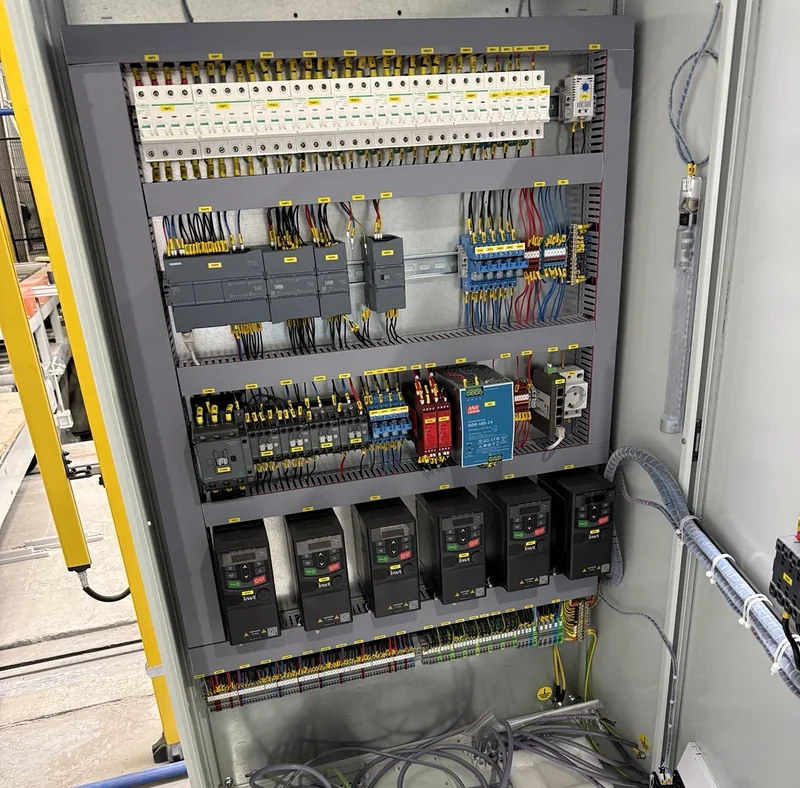
Quality sensors, modern drives and a well-built control cabinet do not guarantee stable operation on their own. The program determines when mechanisms start, which conditions must be met and how the machine responds to deviations.
For me, PLC programming is more than writing code. It is developing the logic of the entire installation.
The PLC at the center
Signals. Conditions. Decisions. Actions.
Process interlocks in a PLC do not replace dedicated safety functions. Their requirements and implementation must be defined for the specific installation.
03 / Platforms and integration
My deepest experience is with Siemens. Additional platforms are shown through real projects; other systems are assessed after reviewing the equipment, software and project information.
Core expertise
Development, extensions and modernization of Siemens programs: from existing S5 / S7 systems to current controllers in TIA Portal.
Additional project experience
A programmable Modbus RTU / TCP gateway between TPEM and Siemens S7-1500.
Case 006Project work and diagnostics in SoMachine Motion Logic Builder.
Case 008System integration
Connecting the program to HMI / SCADA, WinCC, operator panels and IPC-based visualization. Device communication through the interfaces specified for the project.
Unity Pro / Control Expert and other systems: considered project by project after reviewing the controller, software versions and access.
04 / Scope of work
Modes, commands and transitions should be understandable not only to the programmer, but also to the specialist who will maintain the equipment.
Structure by machine unit, clear interfaces, names and comments. A basis for maintenance and future extensions.
Digital and analog inputs, state processing and control of motors, valves and actuators.
Manual and automatic operation, step sequences, permissives, interlocks and responses when conditions are not met.
Frequency converters, servo drives, setpoints and feedback. Control loops and PID according to the process requirements.
Visualization data, industrial communication, alarms and messages that make the equipment state understandable.
Checking algorithms before start-up and on the equipment. Current project files, explanations, drawings and documentation within the agreed scope.
05 / Real software — real production
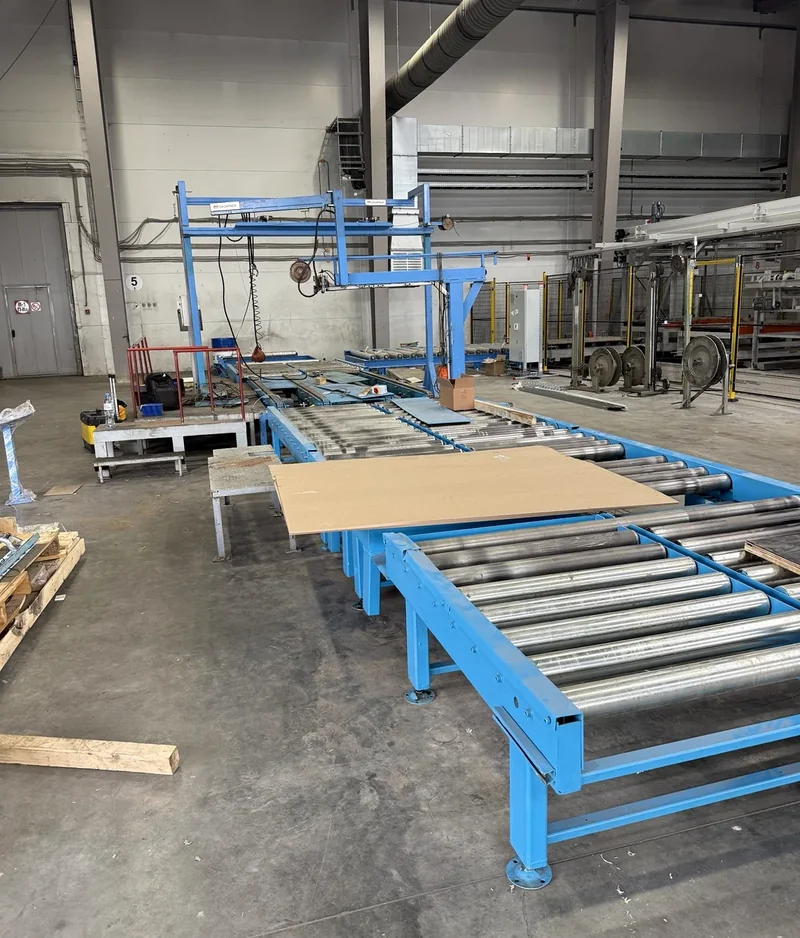
Case 003 included PLC development in TIA Portal, a Siemens HMI and PROFINET communication. The logic connects conveyors, a turntable and signal exchange with another production line.
The line was commissioned, its operating modes were tested, and documentation and an operator manual were handed over.
06 / Before we start
Siemens is my main focus. I also have a project using OWEN PLC210 in CODESYS V3.5 and experience with Schneider PacDrive in SoMachine Motion. Unity Pro / Control Expert and other platforms are considered after reviewing the task, controller, software and access.
I first review the project, electrical drawings and equipment functions. If the software and hardware remain suitable, we can make targeted changes. For S5 / STEP 5 or STEP 7 Classic migrations, compatibility and necessary changes to the logic are assessed separately.
A brief description of the equipment and the required result. Drawings, an I/O list, the PLC type, the existing PLC/HMI project and drive information are useful. We can still discuss the task even if some documents are missing.
Yes, where suitable access to the project and equipment is available. On-site checks and physical work are carried out by qualified personnel at the installation. We agree the remote-work and commissioning arrangements beforehand.
The current project version and the agreed documentation: logic and parameter descriptions, drawings, backups and operating information. Commissioning, operator training and further support depend on the scope of the project.
Describe the equipment, the current task and the required outcome. I will review the available information and propose an approach to developing or extending the program.
Wladimir Poljakov · Poljakov Automation