About me
Automation is more than just a PLC program.
You need to understand what is happening in the real installation.
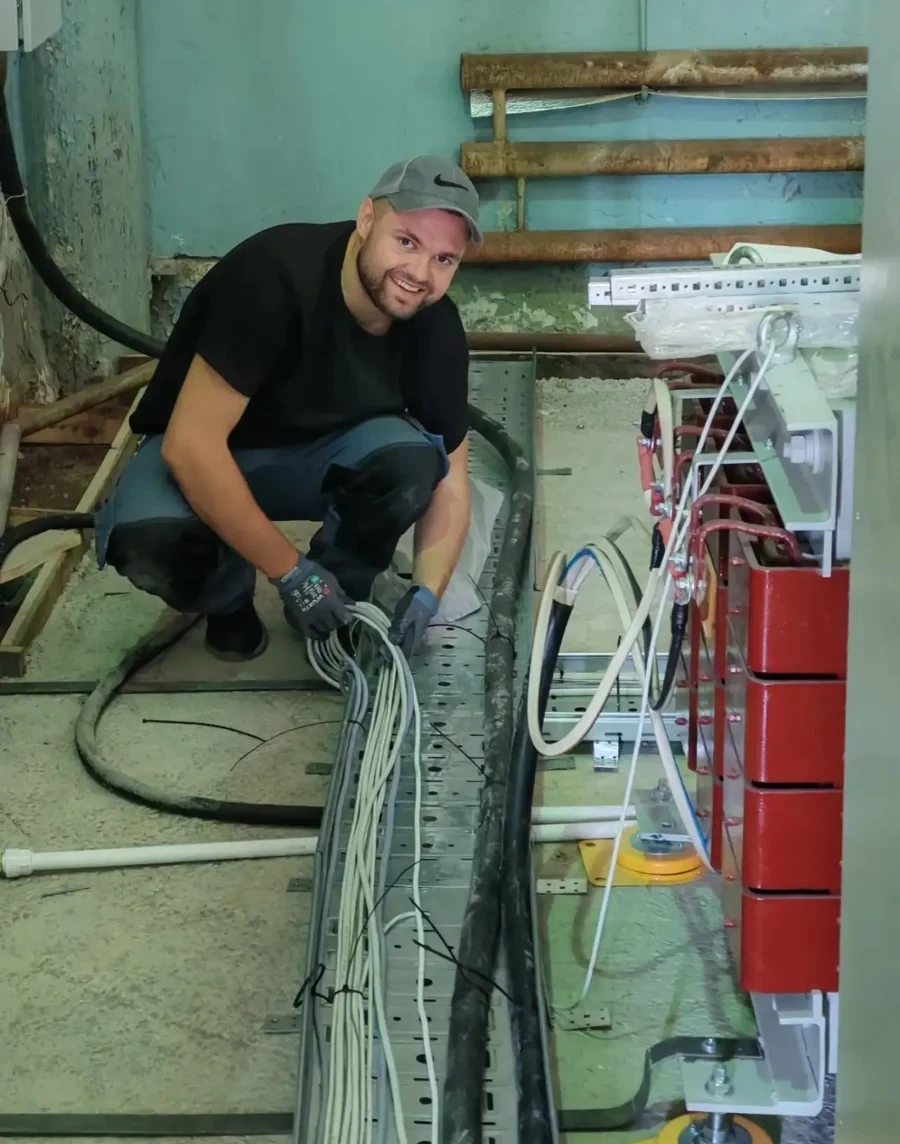
My name is Wladimir Poljakov.
I work in industrial automation, PLC programming, commissioning, modernization and fault diagnostics.
My background does not come only from programming at a computer. Over the years I have seen many different installations on site, investigated faults, supported commissioning and worked in practice with drives, sensors, industrial networks, PLCs, HMIs and SCADA systems.
That is why, when diagnosing a problem or developing a new control solution, I try to look not only at an individual controller but at the installation as a whole — from the electrical side and the signals to the program logic and the real operating conditions.
My path in automation
From dual vocational training and field service through production management to my own projects.
Vocational training in Germany
Three years of dual vocational training combining theory with regular practical work.
Working with industrial equipment
Hands-on work on production installations, electrical equipment, drives, control systems and commissioning.
Siemens / TIA Portal
Additional Siemens TIA Portal training at BFE Oldenburg and subsequent use of STEP 7 / TIA Portal in real projects.
Production management at a concrete plant
Working as a production manager gave me the plant operator’s perspective: how reliable automation, downtime and maintainable equipment affect day-to-day production.
Projects and modernization
Programming, diagnostics and modernization of existing production installations, including older S5 / S7 systems.
Poljakov Automation
Today the main focus is industrial automation, diagnostics, modernization, commissioning and technical remote support.
Not only programming
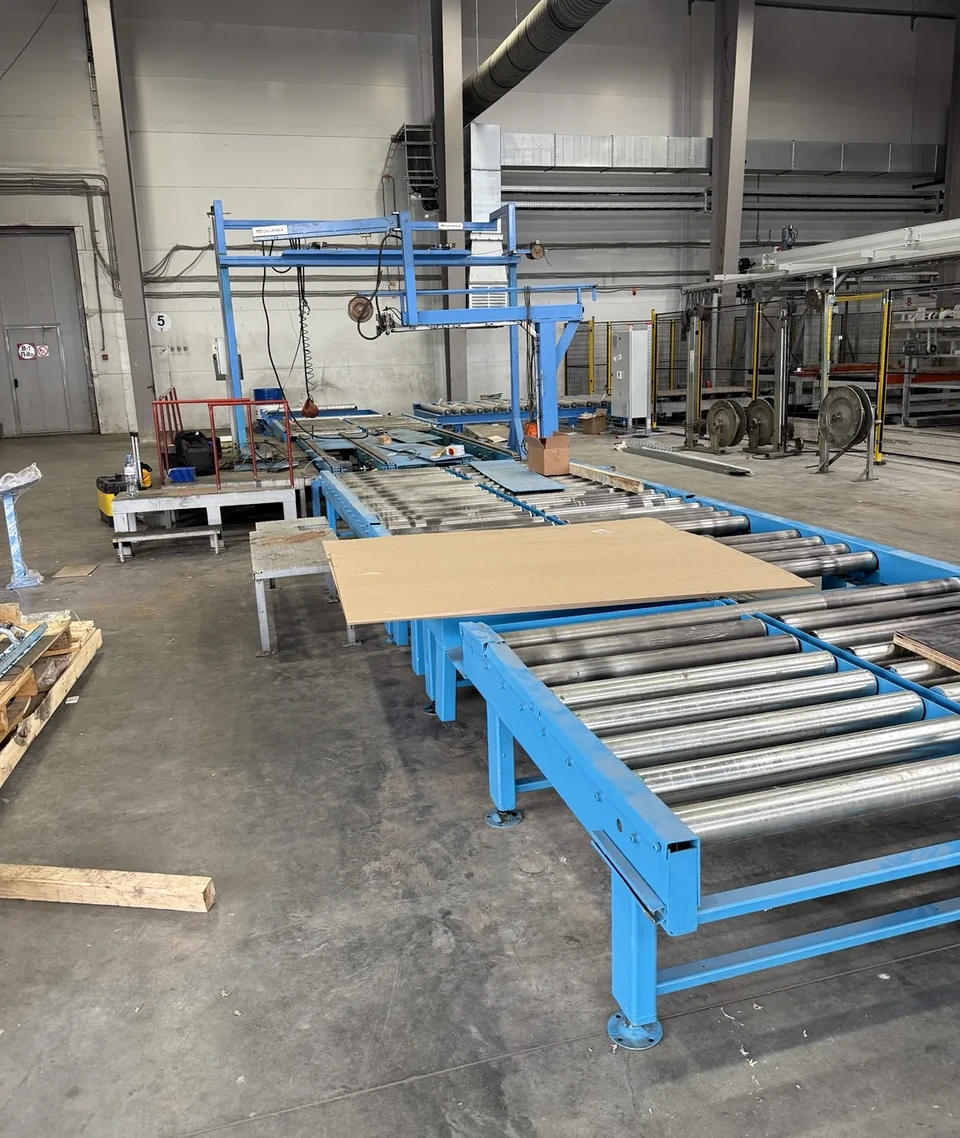
Good automation does not start with opening TIA Portal. Before changing a program, it is important to understand the electrical drawings, the machine sequence, sensor signals, drives, interlocks, industrial communication and the actual operating conditions of the installation.
That is why, when required, I work directly on site: analysing signals, checking equipment, supporting commissioning and working together with the customer’s personnel to find the real cause of the problem.
Many assignments began when the line was already down and there was no time for random guesswork. That experience taught me to work calmly, systematically and without unnecessary component changes.
When the root cause is not obvious, you need to see not only the program but the whole process around it.
How I work
From root-cause analysis to clear documentation and a proper handover to the customer.
Understand the cause first
Rather than replacing components at random, determine which signals, conditions or devices are preventing operation.
Look at the entire installation
The program, electrical equipment, drives, sensors and mechanics are considered together, not in isolation.
Keep what works
During modernization I consider what can reliably remain in use. Complete replacement is not always necessary.
Hand over with complete documentation
Up-to-date electrical drawings, programs, explanations and records of changes are part of the result. I take time to check and prepare them so the customer receives complete documentation of the work performed.
Stay available after start-up
Where the technical conditions are suitable, follow-up questions and diagnostics can be handled remotely.
What I work with
Control systems, visualization, drives and communication – from existing equipment to modern solutions.
PLC / SPS
Programs and control systems
- Siemens S5S7-300 / S7-400S7-1200 / S7-1500ET200TIA PortalSTEP 7 Classic
HMI / SCADA
Operation and visualization
- WinCCBasic PanelsComfort PanelsWinCC UnifiedIPCSCADA
Drive technology
Configuration and commissioning
- SiemensSEWSchneiderDanfossABBMitsubishiLenzeEmotron
Industrial communication
Data exchange between systems
- PROFINETPROFIBUSModbusCANOPC
Engineering
From the task to handover
- DiagnosticsModernizationCommissioningRemote supportDocumentation
Practical experience in Germany
A significant part of my professional experience was built in Germany. The dual training system and subsequent practical work taught me to look at automation not only from a programming point of view, but as a complete engineering task.
Clear program structure, complete documentation, the ability to diagnose the system later and a solution that can be supported after handover are important to me. That is why I take time not only for implementation, but also for a proper technical handover to the customer.
In practice
Experience is demonstrated by real projects
Diagnostics, modernization and remote work: explore the tasks, photographs and results in the project overview.
Have a technical task?
If equipment needs to be started up, modernized or investigated for a fault, simply describe the situation. I will review the available information and suggest an appropriate approach – remotely, on site or in stages.
— Wladimir Poljakov