Follow-up / small additional task
First, the change and its effect on the system need to be understood. Depending on the agreed scope, the adjustment may be part of follow-up support or a small separate service.
 Wladimir PoljakovIndustrial Automation Specialist
The project continues after startup
The system is running.
The support continues.
Handing over the program is part of the job. After commissioning, the next step is a clear transition into everyday production, with someone to turn to for technical questions.
POLJAKOVThe connection to the project continues beyond its first successful start.
Each stage creates the foundation for the next. Familiarity with the system, documentation and agreed access help when questions arise during operation.
After startup, the customer still has someone to turn to.
For systems developed, programmed and commissioned by Poljakov Automation, one year of remote follow-up support is provided where suitable technical remote access is possible.
The exact scope and conditions are defined in the quotation or contract for the individual project.
This line shows the support period, not a schedule of mandatory checks.
Testing verifies how the system works. Production brings different loads, operator questions and process changes. It helps when the specialist already knows the installation's technical history.
The nature and scope of each request are reviewed first. These topics are not automatically warranty cases.
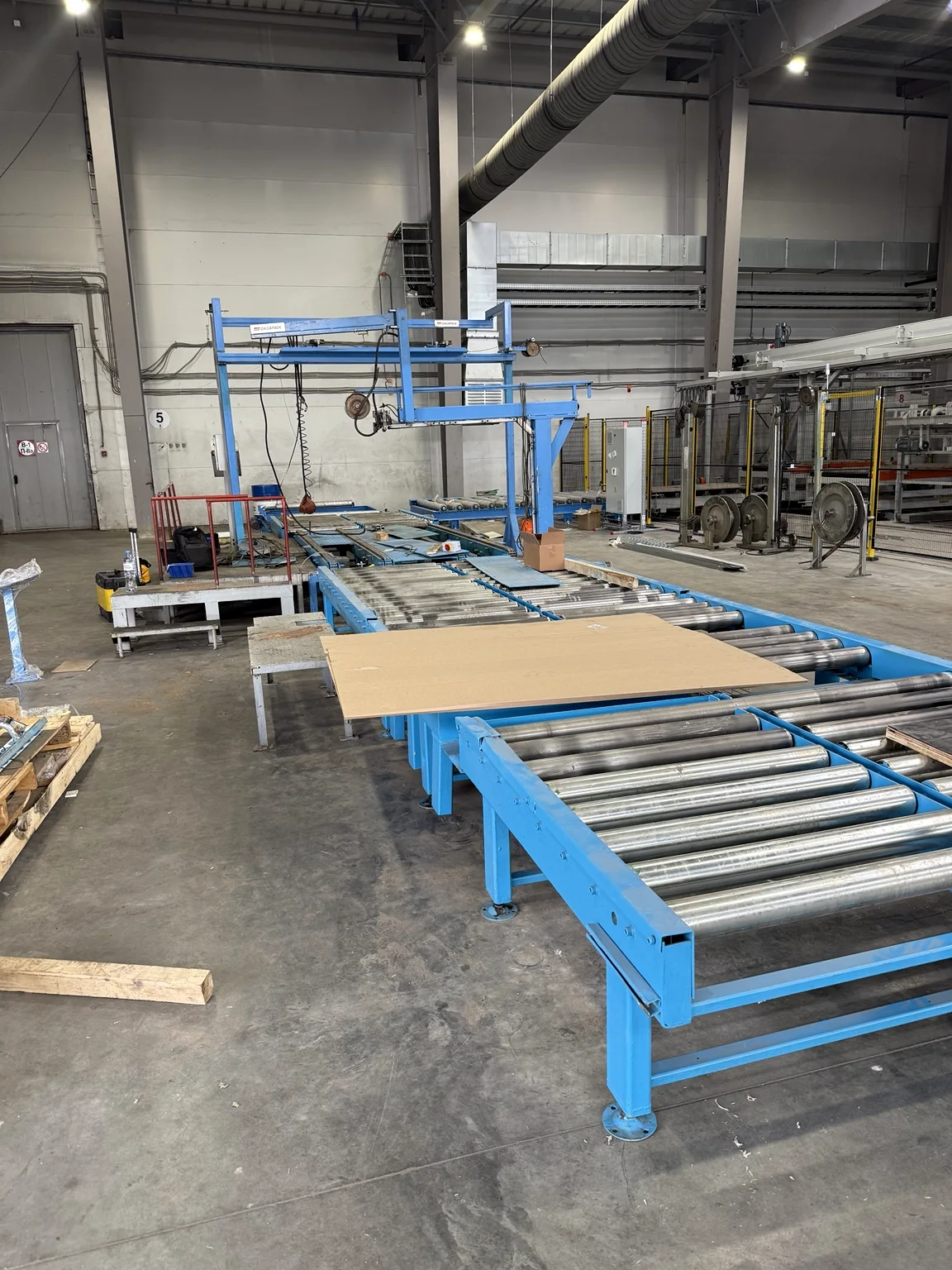
PLC/HMI, commissioning and operator documentation handover in published Case 003.
View the project ↗Choose a situation. This example separates follow-up support, fault investigation and a new engineering task.
First, the change and its effect on the system need to be understood. Depending on the agreed scope, the adjustment may be part of follow-up support or a small separate service.
Messages, states and recent changes are collected first. The cause may lie in software, hardware or external conditions. Warranty relevance is assessed after the cause has been established.
A new function changes the agreed system scope. Requirements, effects on the existing logic and necessary checks are established first, followed by a separate quotation.
The task and scope are agreed first. Selecting a situation alone does not establish warranty coverage or a price.
Warranty, follow-up support and development address different needs. Their boundaries are agreed for the individual project.
If the cause relates to work I performed, the issue is addressed within the agreed warranty scope.
Questions about the system, state analysis and smaller technical matters within the agreed support scope.
Additional operating modes, components and upgrades are treated as a new engineering task.
Depending on the project and agreement:
The cause and its relationship to my work need separate assessment:
You can ask for help with these matters too. The next steps depend on the cause, the work required and the project agreement.
A change should have a clear reason and a recorded result. When the next question arises, the actual system can be compared with its previous state.
The starting software configuration after commissioning is recorded.
An operator's feedback leads to a revised explanation on the screen.
A separate upgrade: additional hardware and functions are agreed and tested.
Agreed changes to the display and handling of messages are documented.
Fictional example, unrelated to any particular customer or operating installation.
Depending on the agreement, handover or updates may include:
With suitable, agreed remote access, many questions can first be investigated online: PLCs, HMI, drives, communication, states and messages. Measurements or work on hardware may require someone at the installation.
Agreed access
Remote access is arranged with the customer where technically feasible.
In Case 001, an engineering PG was prepared for remote service after commissioning.
View the project ↗A recorded starting point makes later support easier. Preparing a handover includes:
I know the system because I helped develop it.
The architecture, logic and project-specific details are already familiar. With later questions, that often helps get to the point sooner and choose a well-founded next step.
For systems developed, programmed and commissioned by Poljakov Automation, one year of remote follow-up support is provided where technical access is possible. Scope and conditions are defined in the project quotation or contract.
A warranty matter concerns my own completed work and the agreed conditions. Remote support is a way to help with a technical question. It does not by itself determine warranty coverage or cost.
The cause and affected component are investigated first. Failure of third-party hardware does not automatically make it a warranty case for my work. The possibility and scope of assistance are assessed separately.
New operating modes, components and additional HMI screens are treated as system upgrades. Requirements, scope and a quotation are agreed separately.
Yes, where suitable agreed access and the necessary data are available. Some checks need measurements or a technician at the installation.
Explain what changed and when, ideally with the current project and a change description. The versions and effects are assessed first, then the next steps are agreed.
Or would you like to know in advance how support will be organized after commissioning? Let's discuss it before the project begins.
The task, access and support scope are clearly agreed.